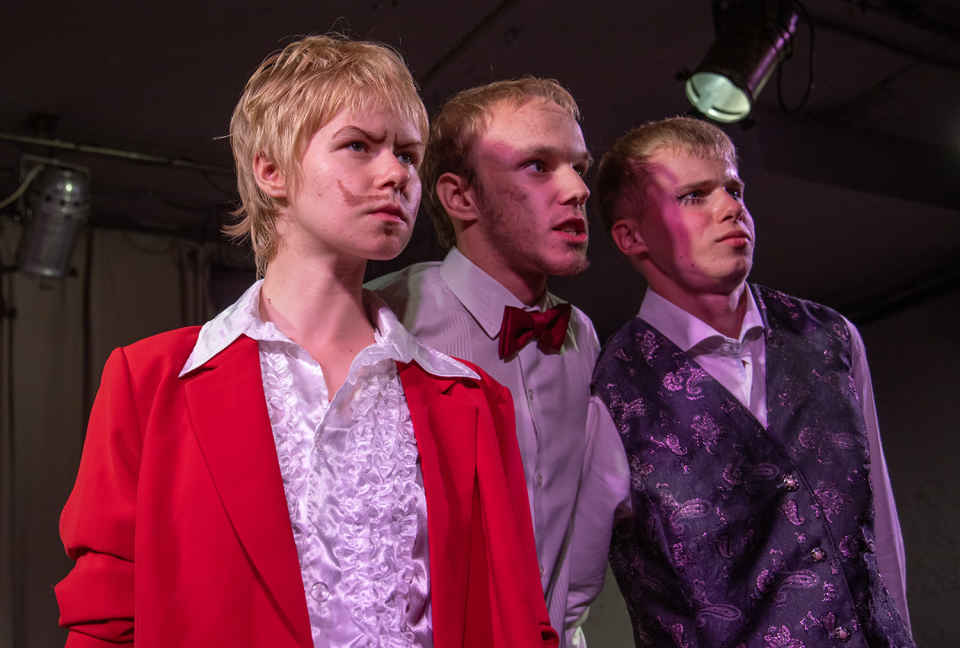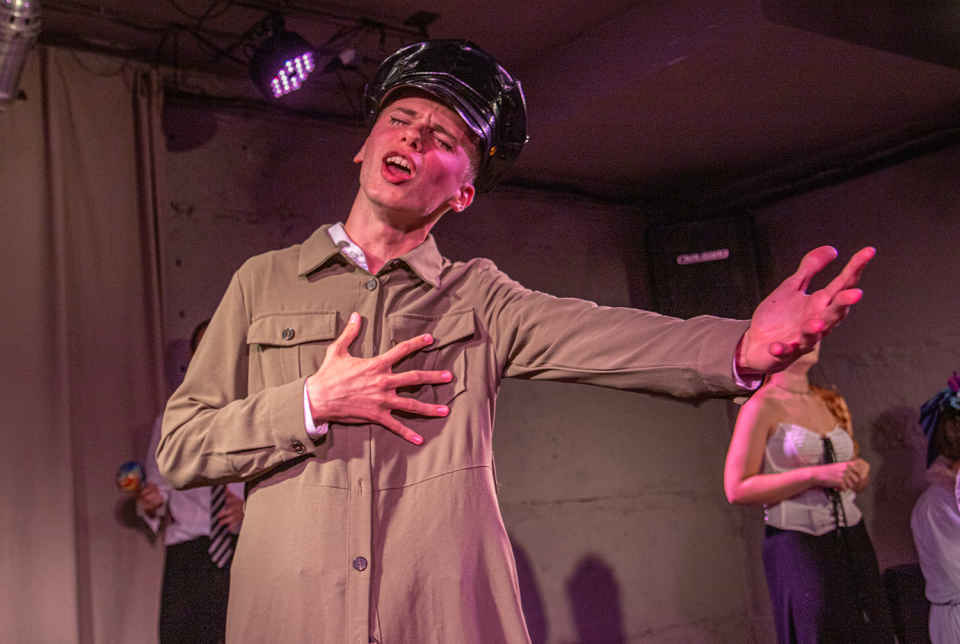

In the previous issue of the newspaper, we concluded our story about the participants and jury members of a very interesting creative project called Slamovision. Let us remind you that the poetry competitions were accompanied by a sophisticated musical program. Among the participants of the poetry evening was the duo NESHEKIM — Yulia Borzaya and Oleksandr Samson, about whom the newspaper wrote in the issue of July 9; as well as the famous Ukrainian jazz pianist and composer, arranger, teacher, founder of the Jazz Academy Oleksiy Petukhov. The conversation with him is for your attention.
— Oleksiy, what attracted you to the unusual format of combining slam poetry and the jazz scene?
— I am always ready to participate in new creative formats for me. It is an experience, an experiment, interaction on stage with other participants, improvisation. The Slamovision evening was exactly such a new creative format for me, so I readily responded to the invitation.
— You performed before the start and after the end of the competition. Did you feel that the music at that moment performed a special function — setting a certain mood at the beginning, and at the end helping the listener to “digest” the heard word?
— I really hope so. Of course, I wanted to create a certain creative atmosphere, an emotional mood, and the listeners’ readiness to immerse themselves in the world of author’s poetry.
— You have experience working with words — in projects where music accompanies recitation or improvises around text. How does such interaction differ from an instrumental concert or a vocal program?
— Improvisational accompaniment to poetry is one of my favorite forms of creative expression. Experiencing the content of a poetic work, one must improvise in real time to reflect the events taking place, the emotional and psychological state of the characters, which can change dynamically. This is very interesting, because improvisation is never repeated, and the same work will result in a new musical composition each time. A purely instrumental concert may include programmatic (thematic) works, where there is no strict connection to the text, and improvisation can be freer, and each listener builds the picture in their imagination.
— You joined the NESHEKIM duo’s performance between competition rounds. How did this musical dialogue take place — was it improvisation, but how did you feel the difference in interaction with non-jazz musicians?
— The main goal of joining the wonderful duo was… not to interfere with their performance, but to delicately complement their sound with a new timbre and add improvisation. For me, participating on stage with musicians of all genres and directions is a jam session, an interesting musical journey, new sensations and discoveries.
— The program included texts by contemporary female poets — Vladyslava Ilyinska and Kateryna Kharchenko. How does the jazz language react to contemporary Ukrainian poetry? Does the musical structure change under the influence of the rhythm and imagery of the text? Have you had to write music for contemporary Ukrainian poems?
— Each musician probably has their own answer to this question. Very different rhythms, genres, and styles can be explored here. It can also happen that the word is born under the influence of certain jazz compositions, styles, and playing styles of outstanding jazz masters. Everything is interconnected. Personally, I have quite a lot of experience in writing music for poems for musicals, where the styles and genres are very diverse.
— How do you assess the potential for cooperation between musicians and poets in the modern cultural space of Odesa? Can such a format become regular and expand the audience for both literature and jazz?
— In my opinion, this is a very promising new creative direction in culture. We must definitely develop it and strengthen cooperation between poets, writers, and musicians.
Interview conducted by Maya DIMERLI.
Head of the office “Odesa — UNESCO City of Literature”.