

Last Friday, August 2, on the International Day of Remembrance of the Roma Genocide Victims during World War II, the Museum of Genocides “Territory of Memory,” which opened at the beginning of summer in the building of the Odesa Directorate of “Ukrposhta” (Sadova St., 10), presented the exhibition “Porajmos: The Forgotten Genocide.”
— What is this exhibition about? — we ask.
— Firstly, it is about the memory of the Roma people, who were almost exterminated by the Nazis during World War II, — replies Pavlo Kozlenko, Director of the Museum of Genocides and laureate of the editorial competition “People of Action.” — Secondly, it is about genocide, which should not happen to any people at all. Thirdly, the exhibition shows us what happens to society if dictators, maniacs, and political thieves come to power.
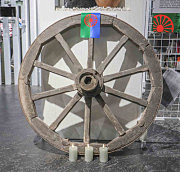
“Porajmos” is a word that translates to “devouring.” It is believed that between 600,000 and 1.5 million Roma died from repressions in Europe between 1935 and 1945. August 2 was chosen as the date to commemorate the victims of the genocide because it was on this day that the last representatives of the Roma people died in the Auschwitz concentration camp. The tragedy also affected Ukrainian land. Over 140 documented cases of mass killings of Roma in the occupied territories of Ukraine in 1941–1944 have been confirmed, the largest of which were in Chernihiv, Kropyvnytskyi, Bakhmut, Simferopol, and Kherson. As early as September 1941, Roma from five camps around Kyiv became the first victims of Babi Yar.
The exhibits of the exhibition “Porajmos: The Forgotten Genocide” tell about specific people, about specific fates, which makes the scale of the genocide of the Roma ethnic group perceived with particular acuteness.











